Assessment methods and equipment

Our ergonomics assessments combine observation of work processes, interviews, surveys, recognised ergonomics analysis methods and, where justified, objective or indicative measurements. Methods are selected according to the work task and the intended outcome.

Important. Measurements are an optional component of an ergonomics consultation or audit and do not constitute medical diagnosis. The availability of specific methods and equipment is confirmed before a proposal is prepared. Where accredited working-environment measurements are required for regulatory purposes, we recommend or involve a suitable accredited service provider.

What can be assessed?

01

Muscle function and fatigue

What we assess: Helps assess muscle tone, elasticity, stiffness and changes in functional state during or after work.

Examples of methods and equipment: Non-invasive myotonometry (Myoton 3) combined with observation of work tasks.

How the findings are used: Findings help identify heavily loaded muscle groups and support improvements to working techniques, workload or recovery arrangements.
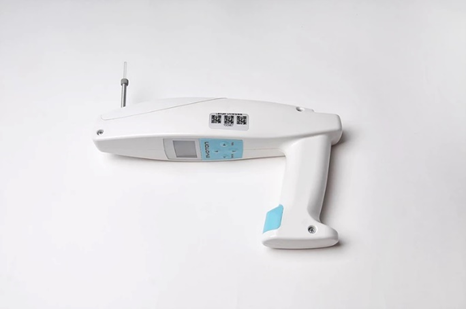
Myoton 3 device for assessing muscle function
Myoton 3
02

Physical workload and physiological responses

What we assess: Suitable for jobs involving elevated physical demands, prolonged movement or intensive work cycles.

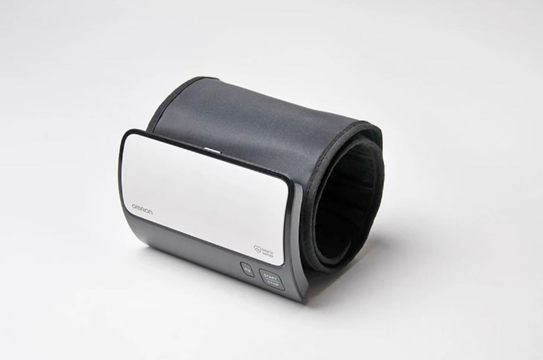
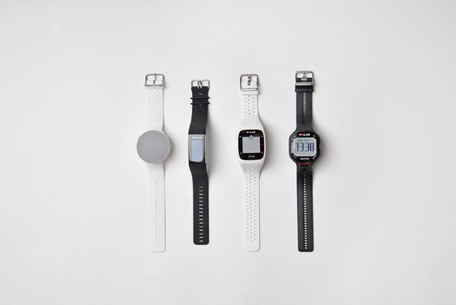
Examples of methods and equipment: Heart-rate monitoring (POLAR), blood-pressure measurements (OMRON), activity monitoring and, where justified, other indicative physiological measures.

How the findings are used: The data help characterise workload patterns, compare stages of work and identify improvements to work–rest schedules.

POLAR heart-rate monitor for assessing physical workload
POLAR heart-rate monitor
OMRON blood-pressure monitor
03

Hand and pinch strength

What we assess: Suitable for work requiring sustained grip, tool use, repetitive hand movements or precision tasks.

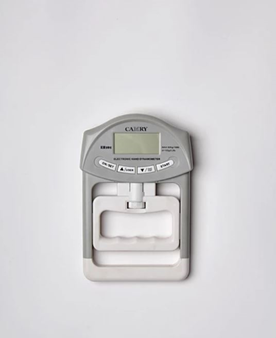
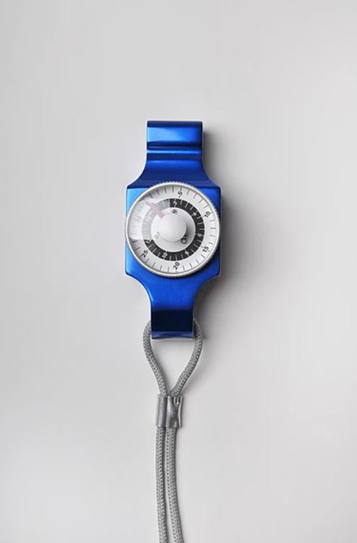
Examples of methods and equipment: Hand-grip dynamometry and pinch-strength assessment (Camry dynamometer and Baseline pinch gauge).

How the findings are used: Findings help compare functional load before and after work, identify signs of overload and support improvements to tools or working techniques.

Camry hand-grip dynamometer
Baseline pinch-strength gauge
Baseline pinch gauge
04

Microclimate, lighting, noise and air quality

What we assess: Provides an initial assessment of working-environment conditions that may affect comfort, attention, fatigue and performance.

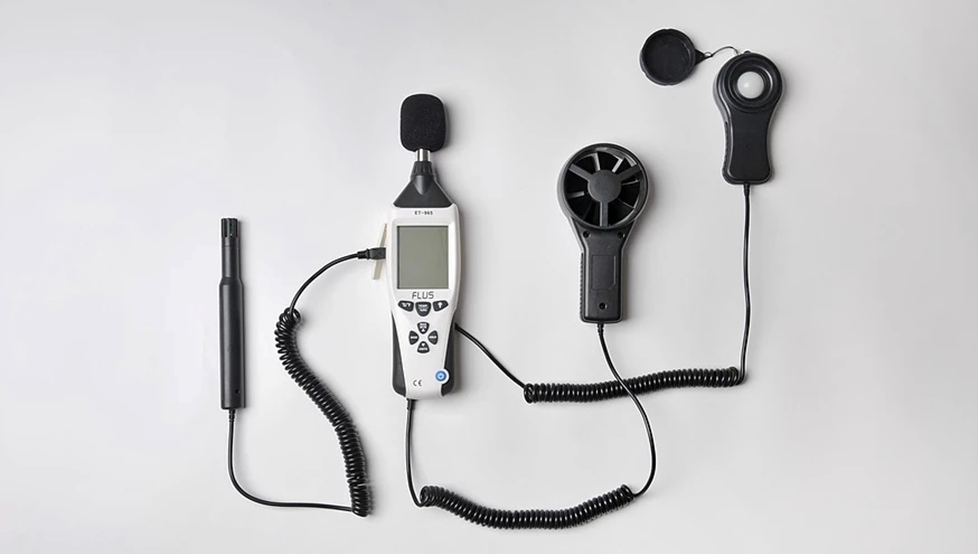
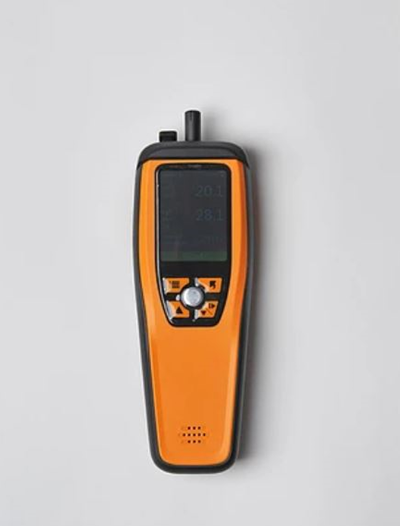
Examples of methods and equipment: Indicative measurements of air movement, temperature, relative humidity, lighting, noise, CO₂ and particulate matter using Testo, FLUS, anemometers and air-quality meters.

How the findings are used: Findings help identify problematic areas and determine whether a detailed assessment or measurements by an accredited laboratory are required.

FLUS instrument for measuring microclimate, lighting and noise
FLUS working-environment meter
Air-quality, carbon-dioxide and particulate-matter meter
Air-quality meter
05

Vibration and other specific factors

What we assess: Suitable where employees use vibrating tools or machinery or work near specific physical factors.

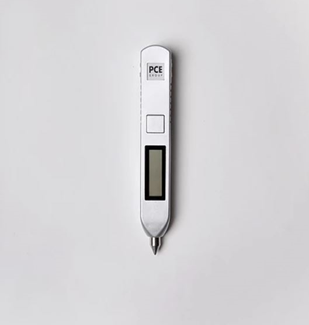
Examples of methods and equipment: Indicative vibration and electromagnetic-field screening using instruments appropriate to the task.

How the findings are used: Findings support initial risk identification and decisions on further specialist or accredited assessment.

Vibration meter for initial working-environment assessment
Example of a vibration meter

The images show examples of equipment used. The availability of specific instruments and methods is confirmed before the service is delivered.

Assessment process

1. Clarifying needsWe define the issue, workplaces and required outcome.
2. Selecting methodsWe choose appropriate observation, survey, analysis and measurement methods.
3. Collecting dataWe assess the actual work process and relevant workload factors.
4. RecommendationsWe provide findings and practical priorities for improvement.

Are measurements appropriate for your situation?

Tell us about the working environment, employee group or issue to be addressed. Following an initial assessment, we will recommend the most appropriate combination of methods and provide a tailored proposal.

Discuss your assessment needs